Why does demand for jump starters spike in the first cold week?
Because a weak battery is a latent problem until the temperature drops. Cold reduces the available cranking power of a lead-acid car battery at the same time as thick engine oil raises the load on the starter motor. The result is a cluster of failures within a few days of the first frost, and a matching cluster of urgent purchases. Search-interest series for portable jump starters and jumper cables show a pronounced December and January peak and a late-spring trough, so the demand wave is predictable even though its exact date is not.
| Period | What the market does | What the importer should already have done |
|---|---|---|
| May to June | Interest at its lowest point; retail clearance and price comparison | Review the previous season: sell-through by SKU, return reasons, warranty claims and which bundle sizes moved |
| July to August | Buyers begin asking for winter programmes | Freeze the specification, request low-temperature test records, approve artwork and confirm carton maths |
| September | Production slots tighten across consumer electronics | Place the purchase order, book the pre-shipment inspection date and confirm the shipping documents for lithium packs |
| October to November | Inbound stock and early promotions | Receive the main container, release creator and retail assets, stage the refill order |
| December to January | Peak failure week and peak sell-through | Monitor weekly sell-through, trigger the refill slot, protect stock for the highest-velocity SKU |
| February to April | Demand normalises; returns and claims arrive | Close the season with a defect and returns review that feeds next year purchase order annex |
How far in advance should a winter container be placed?
Count fixed weeks backwards from the week the goods must be on the shelf. A realistic chain is one to two weeks for final specification and sample sign-off, two to four weeks for any certificate or test-report verification, four to six weeks for production after deposit, one week for inspection and corrective work, and four to six weeks for ocean transit plus customs clearance. That places the purchase order roughly four to five months ahead of the selling window for a first order with a new configuration.
- New model or new artwork: add tooling and packaging proofing time before the production slot, and treat the first article as a separate approval gate.
- Repeat configuration: the chain shortens because moulds, artwork and reports already exist, which is the strongest argument for keeping a stable winter SKU across seasons.
- Air freight is not a general answer for lithium products: dangerous-goods rules, state-of-charge limits and airline acceptance make it a controlled exception rather than a late-order rescue.
What changes in the specification when the selling point is cold weather?
The honest answer is that cold-weather performance is a test condition, not a marketing adjective. A booster that starts a warm petrol engine may fail on a cold diesel. Ask for a test record tied to the exact quoted model, with the ambient temperature, engine or load used, the state of charge at the start of the test and the number of consecutive attempts. Then write those conditions into the purchase order annex so that the claim and the goods stay aligned.
| 仕様ライン | Why it matters in winter | What to request |
|---|---|---|
| Starting current | Sustained current turns the starter motor; a headline pulse figure does not | Test record with ambient temperature, load and number of consecutive starts |
| Cell chemistry and capacity | Available capacity falls at low temperature and recovers when warm | Cell datasheet, pack capacity in Wh, and storage temperature range |
| Cable and clamp | 電圧 drop across a cold, stiff cable is wasted cranking power | Cable gauge and length, clamp material, and a photograph of the exact assembly |
| Protection circuit | Reverse polarity and short-circuit events are more common in rushed roadside use | Protection functions listed in writing, plus the test method used |
| Charging and storage | Units may sit in a cold warehouse or vehicle for weeks | Recommended storage charge level, recharge interval and operating range on the manual |
| Packaging and markings | Retail buyers need to see the cold claim without overstating it | Artwork proof with the same wording as the test record |
Which products belong in a winter roadside bundle?
Build the bundle around one incident rather than one category. A flat battery, a soft tyre and poor light tend to happen together in the dark and in bad weather, so a starting device, a pressure device and a light source form a natural set. Keep the electrical interfaces compatible, keep the charging plugs consistent across the bundle, and check that the carton quantity works for all three items without mixed outer cartons.
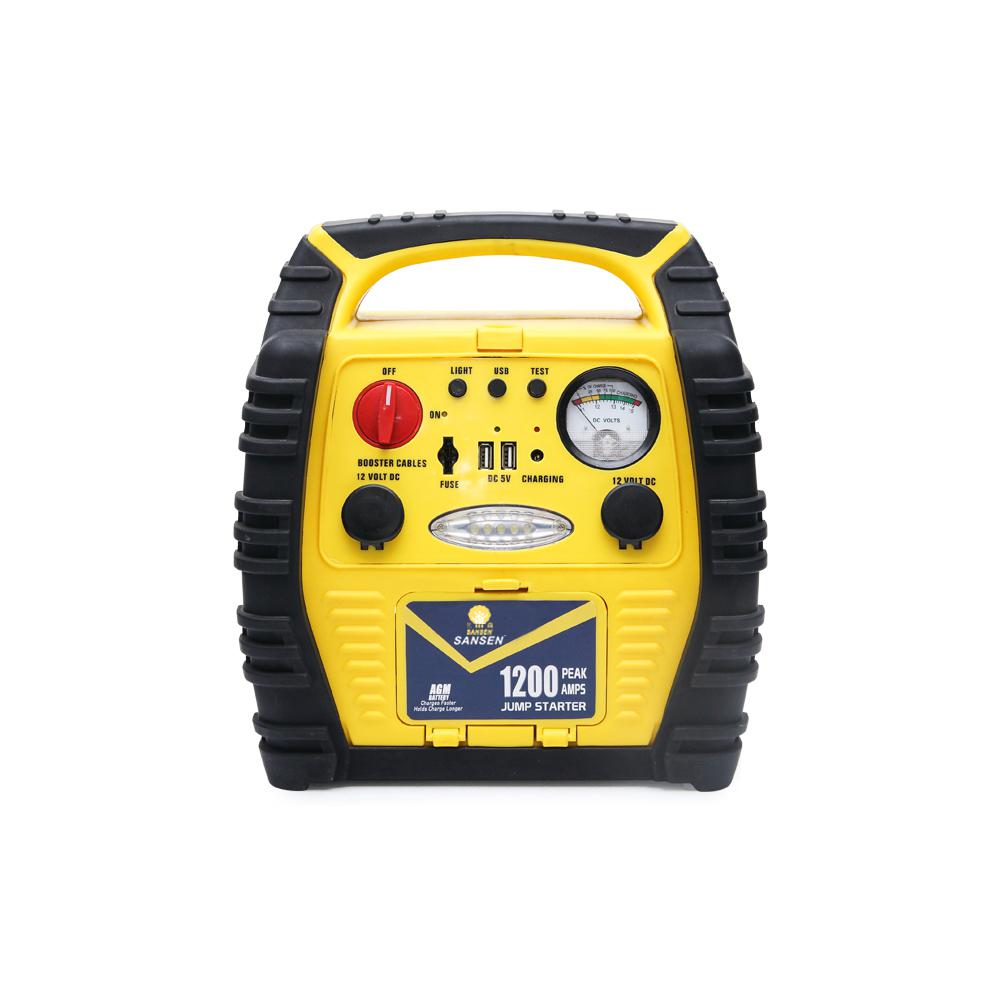
- Starting: a jump starter positioned for the engine sizes common in the destination market, with clamps and a storage case.
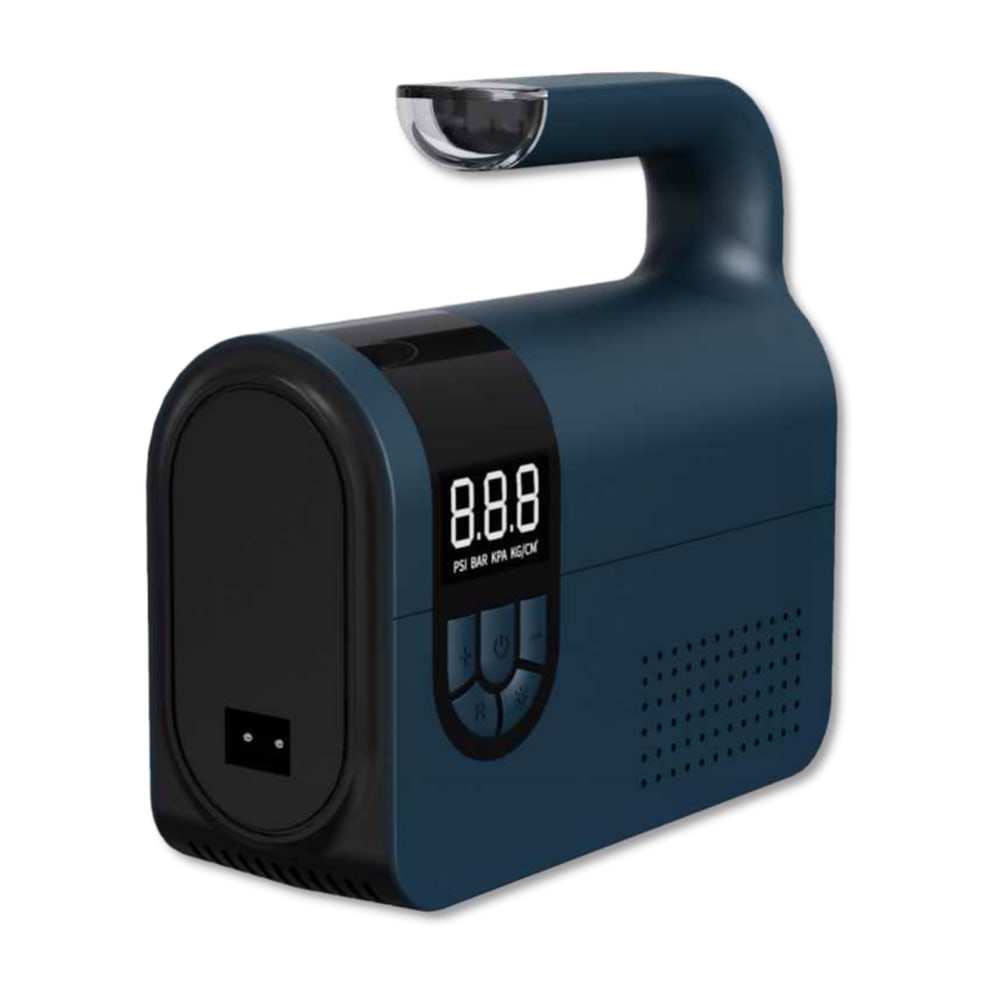
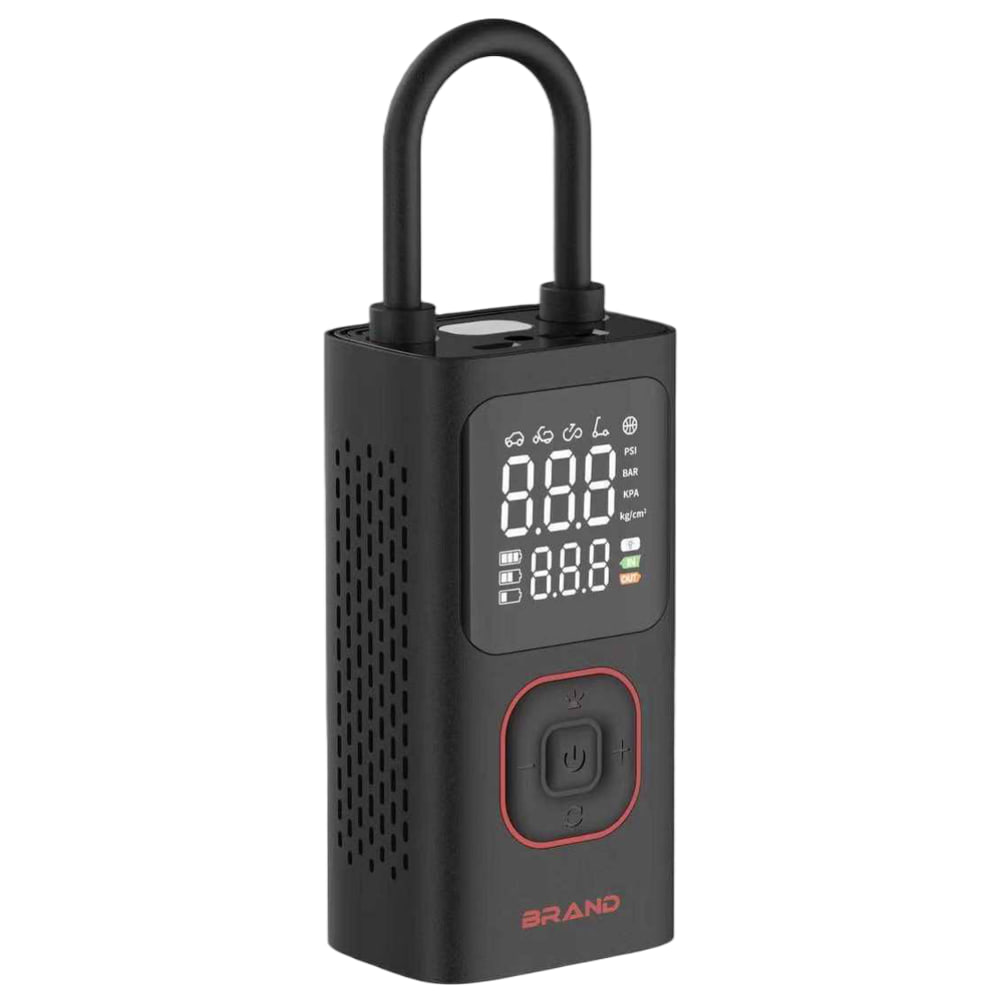
- Pressure: a portable inflator with auto-stop and a declared reference tyre for its inflation-time claim.
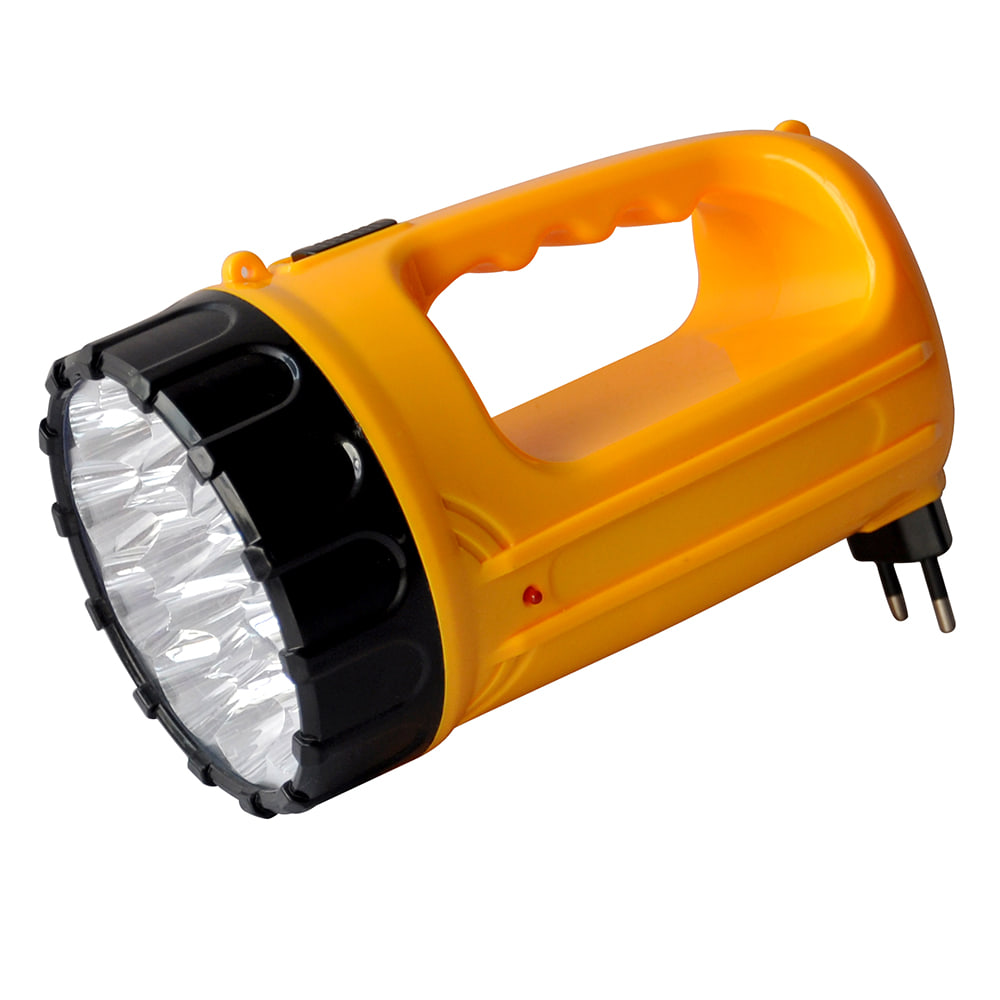
- ライト: a rechargeable torch or work light with a stable base, a hook or magnet, and a runtime figure measured at a stated output.
- Support items: gloves, a reflective vest or a compact tool where the channel allows it; these change the carton maths and may change the HS classification of the set.
How much safety stock is sensible for a short season?
Use a two-slot structure. Commit the first container to the volume you can defend from last season sell-through and confirmed retail orders; reserve a second, smaller slot with the factory at the same time, with a release deadline and a defined configuration. Then watch weekly sell-through in the first two weeks of real cold weather and release the second slot only if the velocity holds. The cost of a reserved slot is usually smaller than the cost of either a stockout in week one or a warehouse full of lithium products in March.
| Signal after the first cold week | Reading | Action |
|---|---|---|
| Sell-through ahead of plan on one SKU | The bundle is working but the mix is wrong | Release the refill for that SKU only; do not rebalance the whole assortment |
| Sell-through slow across all SKUs | The season has not started or the placement is weak | Hold the refill and move budget into demonstration content and retail placement |
| High returns citing failure to start | The cold claim may not match the shipped configuration | Freeze further releases, pull test records and quarantine the affected batch |
When should the marketing assets be ready?
Assets must be ready before the failure week, because that is when short-form demonstration content travels furthest and when retail buyers are least able to brief a creator. Have the product shots, the cold-start demonstration script, the specification card and the FAQ answers finished when the first container lands. The quiet months are for testing those assets at low cost and for negotiating the next seasons specification while factory capacity is available.